October 24, 2023

Beating the Winter Blues: How to Support Seniors and Prevent Depression

Older woman alone and looking sad or depressed

As the winter months approach, it's essential to address a crucial issue facing our senior population: seasonal depression. For many seniors, the colder, darker days can be particularly challenging, often leading to feelings of isolation and depression. 

At Shylo, our Geriatric Nurse Specialists understand the significance of this issue and the need for effective strategies to support our ageing population. We understand the unique challenges seniors can face during the winter season. Our dedicated team of Caregivers is committed to providing personalised, compassionate care to help seniors maintain their emotional well-being and overall health. With Shylo's Home Care services, seniors can receive the support they need to stay active, connected, and resilient throughout the winter.

Window covered in rain on dark and gray day


Understanding the Winter Blues:

Before delving into strategies to prevent seasonal depression, it's essential to grasp the nature of this problem. Seasonal Affective Disorder (SAD) is a type of depression that occurs seasonally, usually in the fall and winter months. While SAD can affect people of all ages, seniors are particularly vulnerable due to various factors such as limited mobility, reduced social interaction, and preexisting health conditions.

The Impact of Winter Depression on Seniors:

Let's examine some recent Canadian data to underscore the significance of this issue:

According to a study conducted by the Canadian Mental Health Association, approximately 15% of Canadian seniors experience symptoms of depression, and this number tends to rise during the winter months. Seniors with depression often face a decline in overall health, making them more susceptible to illnesses and exacerbating existing medical conditions.

Isolation and loneliness are significant contributors to senior depression. In a recent survey by Statistics Canada, 30% of seniors reported feeling lonely or socially isolated during the winter.

Senior man alone and looking sad in the winter


Practical Strategies to Support Seniors:

Encourage Physical Activity: Research has shown that regular physical activity can significantly reduce the risk of depression. Encourage seniors to engage in indoor exercises, like chair yoga or gentle stretching routines, to keep their bodies and minds active.

In a recent survey of seniors in British Columbia, it was found that seniors who engaged in regular physical activity during the winter months reported a 25% decrease in depressive symptoms compared to those who did not. Furthermore, exposure to natural light or light therapy was associated with improved mood and reduced feelings of sadness.

Increase Sunlight Exposure: Lack of sunlight is a major contributor to winter depression. Ensure that seniors have access to well-lit spaces and consider investing in light therapy lamps that mimic natural sunlight for individuals who might live in darker environment.

Older woman in a wheelchair enjoying fresh air and sunlight outdoors

Maintain Social Connections: Loneliness is a silent enemy during the winter months. Encourage seniors to stay connected with loved ones through virtual meetings, phone calls, or socially distanced visits when possible. Shylo Caregivers are always available to supplement family visits and fill in during the week when family members are busy with work and children, or away skiing for the weekend. 

Nutrition and Hydration: A balanced diet rich in nutrients can have a positive impact on mood. Ensure that seniors have access to nutritious meals and stay well-hydrated.

Healthy Quiche pie


Access to Mental Health Resources: Provide information on local mental health resources and support services. Many seniors may not be aware of the help available to them.

August 27, 2023

Tips for Seniors to Stay Safe in the Summer Heat 


Part 1: The Significance of Senior Safety During Hot Spells

As the summer sun casts its warm glow, it brings with it the potential risks of heat-related illnesses, especially for our beloved seniors. Ms. Ware, a seasoned Registered Nurse and Certified Gerontological Nurse, and the visionary behind Shylo Home Healthcare, understands the critical role that comprehensive Home Care plays in ensuring the safety and well-being of seniors during the warmer months. In this informative series, we delve into the significance of senior safety in the heat and how dedicated Home Care services can make a tangible difference.


Part 2: Recognising Heat-Related Hazards for Seniors

Seniors are more vulnerable to the adverse effects of heat due to various factors, including a reduced ability to regulate body temperature, certain medical conditions, and medications that affect hydration. According to recent Canadian data, a significant number of heat-related illnesses and fatalities involve individuals aged 65 and older. These statistics underscore the need for a proactive approach to safeguarding seniors during the heatwaves.


Part 3: The Comprehensive Approach of Quality Home Care

At Shylo Home Healthcare, Ms. Ware and her team prioritise a holistic approach to senior care, especially during the summer heat. Their expert Caregivers are equipped to address the physical, emotional, psychological, and spiritual needs of seniors, ensuring a comprehensive safety net. A comprehensive care plan includes:


Hydration Management: Seniors may not feel as thirsty as younger individuals, making them more susceptible to dehydration. Caregivers ensure that seniors have access to fluids and monitor their hydration, helping prevent heat-related complications.


Temperature Control: Elderly individuals often struggle with regulating body temperature. Caregivers maintain a comfortable indoor environment, implement cooling strategies, and monitor seniors for signs of overheating.


Medication Management: Certain medications can exacerbate heat-related risks. Skilled caregivers from Shylo Home Healthcare ensure that seniors take their medications as prescribed and report any signs of potential interactions with heat to their Nursing Supervisors for assessment and appropriate action. 


Nutrition Support:
A balanced diet is crucial for maintaining overall health. Shylo Caregivers help seniors make nutritious food choices that contribute to their well-being, energy levels, and resilience against heat-related stress. Our Caregivers can assist with meal planning, shopping and meal preparation; they can also prepare and leave refreshing and nutritious snacks for the seniors when we're not in the home.


Social Interaction: Combating isolation is a key aspect of quality Home Care. Regular interaction with Caregivers not only provides companionship, but also allows for the early detection of health issues exacerbated by the heat.


Part 4: Empowering Seniors to Age in Place

A central tenet of Shylo Home Healthcare's philosophy is enabling seniors to age in place. Current research underscores the emotional and psychological benefits of seniors remaining in their familiar homes, surrounded by cherished memories and a sense of independence. Ms. Ware's dedication to promoting ageing in place aligns perfectly with this research, and her team's support enables seniors to stay in their homes comfortably and safely, even during the hottest days of summer.


Part 5: Taking the First Step Towards Safety

The journey to ensuring seniors' safety in the heat begins with awareness and preparedness. As the President of Shylo Home Healthcare, Ms. Ware encourages families, caregivers, and seniors themselves to take proactive steps. This includes understanding the signs of heat-related illnesses, staying hydrated, wearing appropriate clothing, and seeking assistance when needed.


In the next segment of this series, we will explore Ms. Ware's invaluable insights into the role of Home Care in preventing heat-related illnesses among seniors, backed by scientific research and real-life anecdotes. Stay tuned as we uncover more about her mission to effect positive change in the senior care industry and empower seniors to enjoy their golden years with comfort and security. 

July 29, 2023

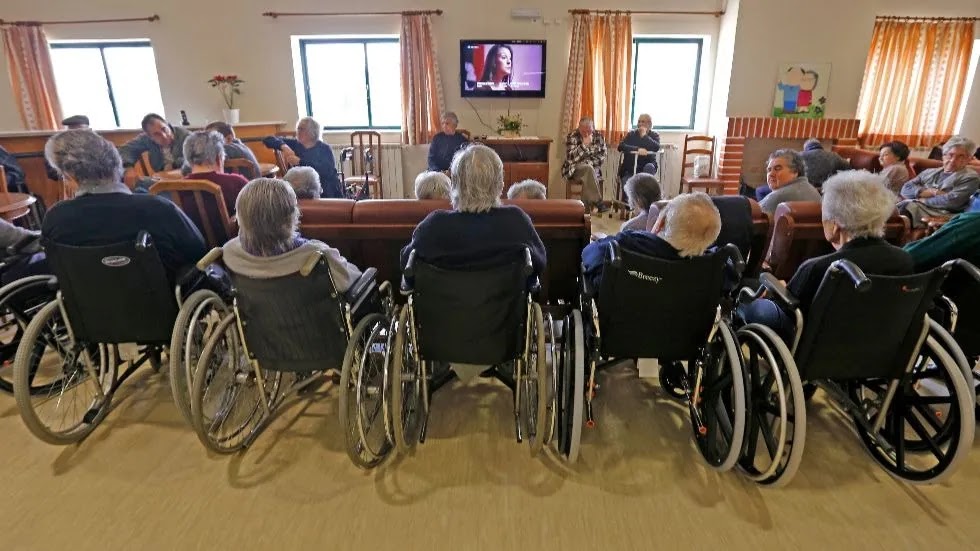
The Detrimental Effects of Premature Admission to Congregate Living or Long Term Care for Seniors


Premature admission to residential care, whether it be Assisted Living or Long Term Care, can have several negative consequences for individuals. Here are some of the main reasons it can be detrimental, especially for seniors.

Quality of Care: Long-term care facilities are usually designed to cater to individuals with higher care needs. Premature admission can mean that individuals are surrounded by others with more advanced health conditions or cognitive impairments, which may not align with their current needs. This mismatch in care levels may result in suboptimal care and limited resources being allocated to individuals who may not require them yet, or ever.


It's important to note that there are situations such as an aggressive dementia patient with a history of physically assaulting their spouse or care providers, where admission to residential care may be appropriate, particularly when a senior or their caregiver’s safety is at risk. However, when admission is premature and not based on actual current needs, or alternative therapies have not been explored, the above-mentioned factors can negatively impact a senior's overall well-being. It's crucial to carefully assess and consider the individual's physical and mental health, social support system, and other available alternatives such as Home Care, before deciding on congregate housing placement.


  1. Loss of Independence: Moving into a congregate living residence often means giving up a significant amount of independence. Residents have less control over their daily routines, decision-making, and personal preferences. This loss of independence can lead to decreased self-esteem, a diminished sense of autonomy and loss of interest in the individual’s normal activities such as attending their community church, mosque or synagogue.

  2. Social Isolation: Being prematurely admitted to a senior care facility can result in social isolation, especially if the individual is still capable of living independently or maintaining social connections outside of the facility. Social interaction and engagement are crucial for mental and emotional well-being, and the absence of these familiar community connections can lead to feelings of loneliness and depression.


  3. Decreased Physical Function: Entering congregate care prematurely may result in a decline in physical function. When individuals are capable of living independently but are placed in an environment where assistance is readily available, they may become reliant on others for activities they could otherwise perform themselves. This lack of physical activity and dependence on others can lead to muscle atrophy, reduced mobility, and a decline in overall physical and mental health.


  4. Loss of Familiar Environment: Moving into a care residence often means leaving behind a familiar home, neighbourhood, and community. These familiar surroundings provide a sense of comfort and familiarity, which can be disrupted by a premature transition to a senior care facility. The loss of a familiar environment can be disorienting and may lead to increased stress and emotional strain.

  5. Financial Considerations: Assisted Living and Long-term care facilities can be expensive, and premature admission can result in unnecessary financial strain. If individuals enter a care facility before it is truly necessary, they may incur significant costs that could have been avoided if they had continued to live independently or received appropriate Home Care services. For many seniors, as little as four hours, twice a week, makes the difference in living at risk and ageing safely and comfortably in their own home.