July 29, 2023

The Detrimental Effects of Premature Admission to Congregate Living or Long Term Care for Seniors


Premature admission to residential care, whether it be Assisted Living or Long Term Care, can have several negative consequences for individuals. Here are some of the main reasons it can be detrimental, especially for seniors.

Quality of Care: Long-term care facilities are usually designed to cater to individuals with higher care needs. Premature admission can mean that individuals are surrounded by others with more advanced health conditions or cognitive impairments, which may not align with their current needs. This mismatch in care levels may result in suboptimal care and limited resources being allocated to individuals who may not require them yet, or ever.


It's important to note that there are situations such as an aggressive dementia patient with a history of physically assaulting their spouse or care providers, where admission to residential care may be appropriate, particularly when a senior or their caregiver’s safety is at risk. However, when admission is premature and not based on actual current needs, or alternative therapies have not been explored, the above-mentioned factors can negatively impact a senior's overall well-being. It's crucial to carefully assess and consider the individual's physical and mental health, social support system, and other available alternatives such as Home Care, before deciding on congregate housing placement.
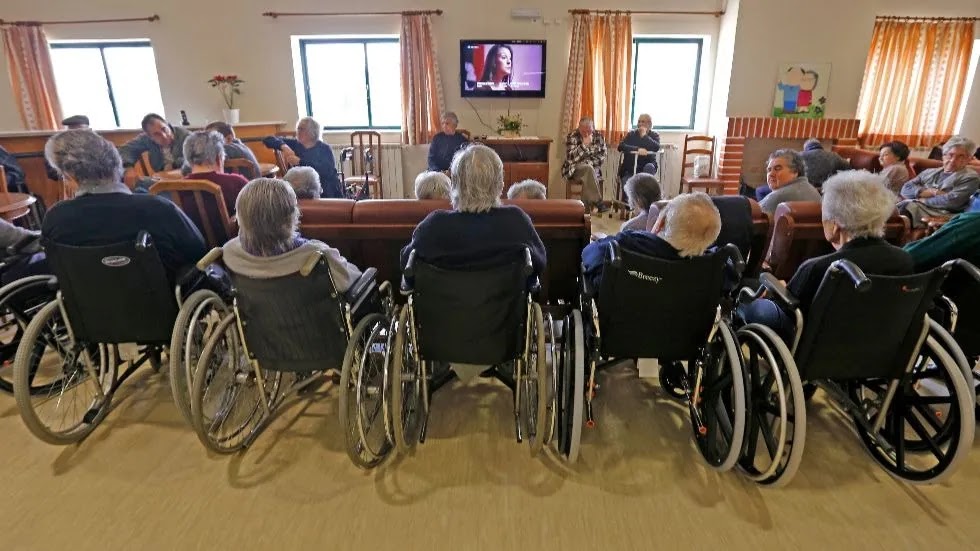


  1. Loss of Independence: Moving into a congregate living residence often means giving up a significant amount of independence. Residents have less control over their daily routines, decision-making, and personal preferences. This loss of independence can lead to decreased self-esteem, a diminished sense of autonomy and loss of interest in the individual’s normal activities such as attending their community church, mosque or synagogue.

  2. Social Isolation: Being prematurely admitted to a senior care facility can result in social isolation, especially if the individual is still capable of living independently or maintaining social connections outside of the facility. Social interaction and engagement are crucial for mental and emotional well-being, and the absence of these familiar community connections can lead to feelings of loneliness and depression.


  3. Decreased Physical Function: Entering congregate care prematurely may result in a decline in physical function. When individuals are capable of living independently but are placed in an environment where assistance is readily available, they may become reliant on others for activities they could otherwise perform themselves. This lack of physical activity and dependence on others can lead to muscle atrophy, reduced mobility, and a decline in overall physical and mental health.


  4. Loss of Familiar Environment: Moving into a care residence often means leaving behind a familiar home, neighbourhood, and community. These familiar surroundings provide a sense of comfort and familiarity, which can be disrupted by a premature transition to a senior care facility. The loss of a familiar environment can be disorienting and may lead to increased stress and emotional strain.

  5. Financial Considerations: Assisted Living and Long-term care facilities can be expensive, and premature admission can result in unnecessary financial strain. If individuals enter a care facility before it is truly necessary, they may incur significant costs that could have been avoided if they had continued to live independently or received appropriate Home Care services. For many seniors, as little as four hours, twice a week, makes the difference in living at risk and ageing safely and comfortably in their own home.


June 11, 2023

Home Care is Cost-Effective and Associated with a Higher Quality of Life According to The World Health Organization


The World Health Organization (WHO) states that Home Care services can prevent the need for acute care or long-term care services by helping clients meet their health care and support needs while remaining in their home and community. Research has consecutively shown Home Care services to be cost-effective and associated with a higher-quality of life for clients.


On average, people with dementia live 8 years after diagnosis—the first 6 are usually spent at home and the last 2 are often spent in care facilities. Coordinating that transition for people with dementia and their families is not always smooth in our current system.

Jacqueline J.M. Hoogendam, dementia specialist with the Netherlands' Ministry of Health says “People with dementia benefit from clear pathways of care, and ideally, a one-stop shop for all their care needs and wishes.”


Prior to the Netherlands National Senior Health Care Programme, options for care included living at home and travelling to services or living in large residential care facilities, that varied widely in quality and service. This left seniors and their families looking for other options.

Now the Netherlands is working to keep seniors and people living with dementia in their homes as long as possible by bringing more care into their homes. 


“We want to enable people to stay at their own homes as long as possible,” says Hoogendam. “The Netherlands National Programme is working to provide more organized care closer to home so that people living with dementia today and in the future are fully integrated into their local communities.” Home Care is a cost-effective compared to other forms of care such as hospital stays or senior care homes. 

Here are a Few Reasons why Home Care is a Cost-effective Option:


Reduced Healthcare Costs: Home Care allows individuals to receive necessary care in the comfort of their own homes, eliminating the need for expensive hospital stays or premature admission to residential care facilities. The cost of Home Care services is often lower compared to the high costs associated with institutional care whether it be Assisted Living, Residential Care, or specialized Memory Care units.
*We will discuss the detrimental effects of premature admission to residential care for seniors in a future blog.


Personalized Care: Home Care provides personalized one-on-one attention to individuals based on their specific needs. This individualized approach can help prevent unnecessary hospitalizations or medical emergencies, reducing healthcare costs in our over-burdened provincial healthcare system and freeing up much-needed beds in acute care hospitals. 

Preventing unnecessary hospitalizations is important to avoid picking up a Nosocomial Infection, also referred to as Healthcare-Associated Infections (HAI). HAIs are infections acquired during the process of receiving health care that was not present during the time of admission. They may occur in different areas of healthcare delivery, most commonly in hospitals and long-term care facilities.


Increasing infection rates are causing unnecessary suffering and death and are taxing the healthcare system as well as patients and families.
  • Each year in Canada, more than 220,000 healthcare associated infections result in 8,500-12,000 deaths, and the rates are rising.

  • One in nine hospital patients in Canada get a healthcare associated infection. These can prolong hospital stays and lead to serious long-term health complications. 

  • Infections are the fourth leading cause of death in Canada.

Avoidance of Facility Expenses: By receiving care at home, individuals can avoid the higher costs associated with residing in a nursing home or assisted living facility. These facilities often have high monthly fees, many costing $10,000-$25,000 per month, which can quickly add up over time.

Home Care is often subsidized by the provincial government, but even 100% private Home Care only costs a fraction of the typical Assisted Living fees. You can have Caregivers come to your home 3-4 days a week and do the shopping, prepare your meals, clean the home and organise social events for you and your friends for only $2,500 to $3,000 per month. Far more personalised service for a fraction of the cost. 


Greater Independence: Home Care allows individuals to maintain a higher level of independence and continue living in familiar surroundings. This can contribute to their overall physical and emotional well-being and quality of life, potentially reducing the need for more extensive care or medical interventions.

Prevention of Complications: Home Care providers can assist with medication management, mobility support, and other preventive measures to reduce the risk of complications or preventable hospital readmissions. By addressing health issues promptly and effectively, Home Care can help prevent costly medical interventions.

Flexibility of services: Home Care services can be tailored to the individual's needs, allowing for flexibility in terms of scheduling and the types of assistance required. This personalized approach can help optimize the utilization of resources and reduce unnecessary expenses.


April 07, 2023

5 Health Tips for Seniors in the Springtime

Seniors can face a range of challenges in the spring, however, with awareness and planning, seniors can navigate these challenges and enjoy the many benefits of the season.


1) Physical Health Challenges
: With spring comes warmer weather, which can be a relief for some people who may have mobility or chronic health issues that are worsened by cold temperatures. However, seniors still need to be cautious about excessive heat, dehydration, and pollen allergies. Spring weather changes can also trigger joint pain or other health problems, so seniors need to be aware of these risks and take steps to manage their health accordingly.


2) Social Isolation: Spring is a time for renewal and rejuvenation, but it can also be a lonely time for seniors who may feel disconnected from friends and family, especially those who live in residential care facilities. Many seniors may still be at risk of social isolation due to restrictions on gatherings and visits implemented during the COVID pandemic. Seniors need to find ways to stay connected with loved ones and maintain their social support networks. Home Care and Senior Rides services can help support seniors to stay in touch and maintain their connections to their familiar community, such as:

    Going to their regular hairdresser in their familiar community.

    Attending religious services weekly at the church, temple or synagogue where they have old friends.

    Social Activities like lunch with friends, a weekly bridge game, a ladies lunch or a men's poke game.

    Regular Companionship - weekly visits - shopping trips - visit a local park, and much, much, more.


3) Seasonal Depression: Although spring is a time of renewal, it can also be a time of increased stress and anxiety for some seniors. The change in weather, coupled with the ongoing pandemic and other stressors, can lead to feelings of sadness or hopelessness. Seniors need to be aware of the signs of depression and seek professional support if needed.


4) Safety Concerns: With the arrival of spring, seniors may be more active and spend more time outdoors. However, this increased activity can also lead to safety concerns such as falls, sunburn, or dehydration. Seniors need to take steps to protect their safety and well-being, such as wearing sunscreen, staying hydrated, and being cautious when engaging in physical activity. 


5) Financial Concerns:  Seniors need to be aware of their expenses and plan accordingly to avoid financial stress. We will go into more detail how seniors can avoid financial stressors in our next blog 5 Ways Seniors Can Save Money 


Having a Companion escort seniors on outings can help reduce the risk of isolation, depression and injury. Shylo Companions can drive and eliminate risks associated with seniors with reduced hearing or vision, or slowed reflexes, getting into incidents on the road. We can do the driving, get seniors safely to their appointments, assist with shopping, go for walks in the park, and get them safely back home - all at the senior's speed, never rushed.